Roofing System Contractors

Bonitz of Georgia installs commercial roofing systems for GCs, developers, and facility managers across the Southeast. From single-ply to standing seam metal, we handle pre-spec through closeout.

Types of Roofing Systems We Install

single-ply roofing system for JC Lewis Ford with 42,000 square feet of Sarnafil adhered membrane roofing over LWIC by Bonitz of Georgia.

Single-Ply Roofing Systems

Single-ply roofing is a single layer of reinforced TPO or PVC membrane, welded into one continuous sheet with hot-air equipment rather than built up in layers. It’s the system most commonly used on low-slope commercial roofs, including warehouses and retail buildings.

TPO reflects heat and holds up well under UV exposure, making it a common choice for roofs with heavy sun exposure or where energy costs are a factor.

  • PVC resists grease, chemicals, and fire, making it the better fit for restaurants, industrial sites, or roofs near exhaust systems.
  • Installations here are backed by Sika Sarnafil’s elite installer certification.
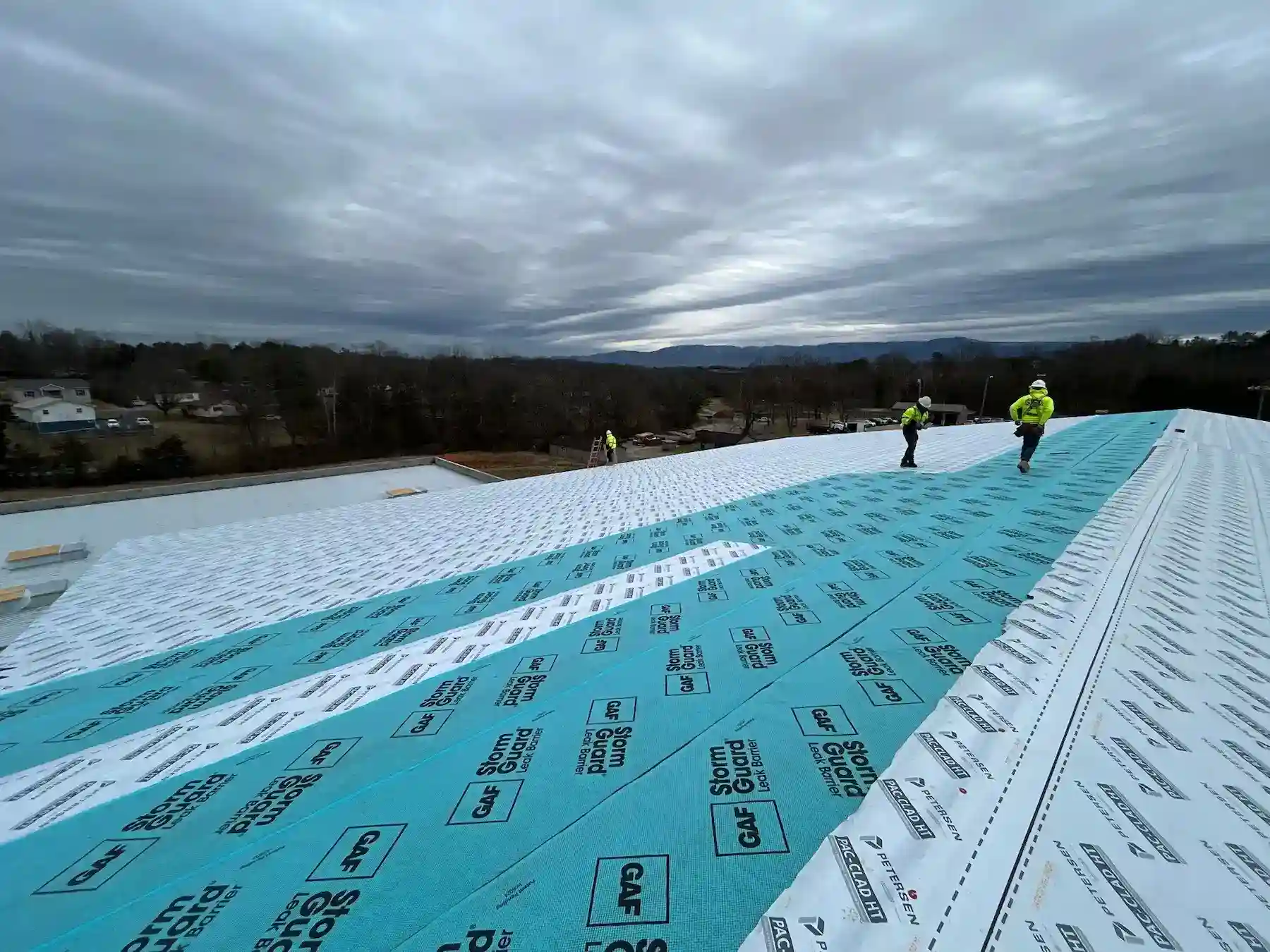
Bloomingdale Elementary School roofing project by Bonitz of Georgia featuring 109,000 square feet of Sarnafil adhered membrane roofing over LWIC and 14,000 square feet of PAC-CLAD standing seam metal roofing.

Standing Seam Metal Roofing Systems

Standing seam metal roofing is built from wide panels with raised, interlocking vertical seams and concealed fasteners, eliminating the exposed screw heads that are a common failure point on other metal systems. It typically lasts 40 to 50 years, roughly double most other roofing systems, and holds up well on steeper slopes and visible rooflines.
It’s a common choice for:
  • Schools and municipal buildings, where low-maintenance performance over decades matters most
  • Hospitality and retail buildings, where the roofline is part of the building’s visual design
Hughs Supply roofing project in Savannah, GA featuring 27,000 square feet of fluid-applied roof coating by Bonitz of Georgia.

Fluid Applied Roofing Systems

Fluid applied roofing is a liquid membrane, sprayed or rolled on and fully adhered to an existing roof rather than installed as a new system. It’s most often used to extend the life of roofs already in place.

It’s commonly used for:

  • Retrofit projects and roofs with complex geometry or heavy penetrations, where a traditional membrane would leave vulnerable seams
  • Occupied buildings, since no tear-off is required and multiple coats can be applied in a single day

Roofing System Services

Tectum roof deck installers at a commercial roofing project job site

Commercial Roofing System Installation

Our expert team installs commercial roofing systems on new construction projects by working to spec and coordinating with other trades and GC schedules to keep the project on track.
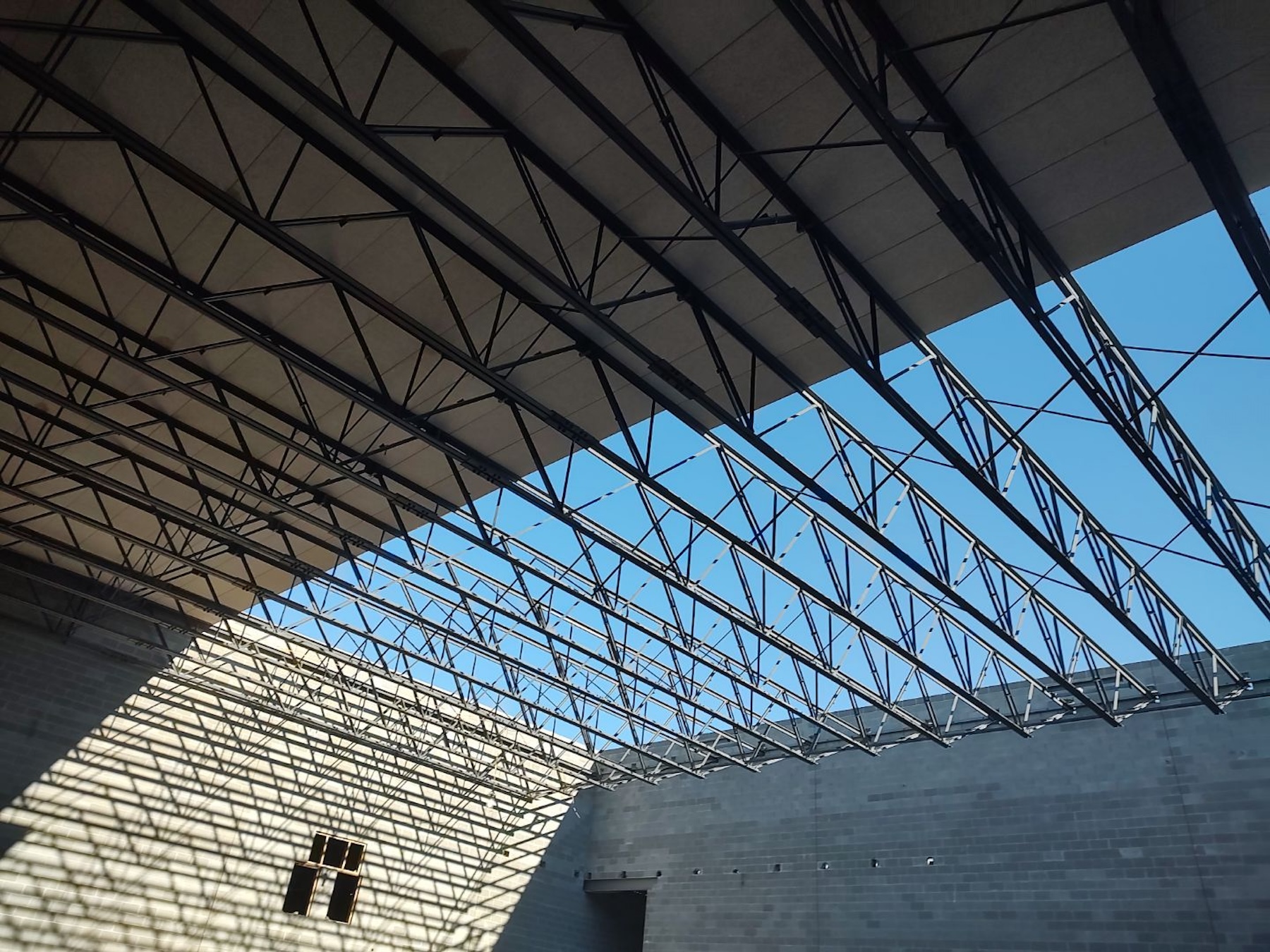
Tectum roof deck installation by Bonitz of Georgia

Commercial Roof Replacement

We manage full tear-off and replacement on operational or unoccupied buildings, sequencing work to minimize disruption and maintain weathertight conditions throughout the process.

A construction project manager reviewing pre-construction and design support for commercial roofing systems

Pre-Construction & Design Support

We can help before construction even starts by reviewing drawings, flagging system conflicts, value-engineering materials, and coordinating with manufacturers so spec decisions are made and backed by the experts.

Commercial construction company contractor installing a roof deck system

Commercial Roof Repair & Maintenance

From emergency leak response to scheduled preventive programs, we help facility managers and GCs extend roof life and avoid the cost of early replacement.

Why Businesses Across the Southeast Choose Bonitz
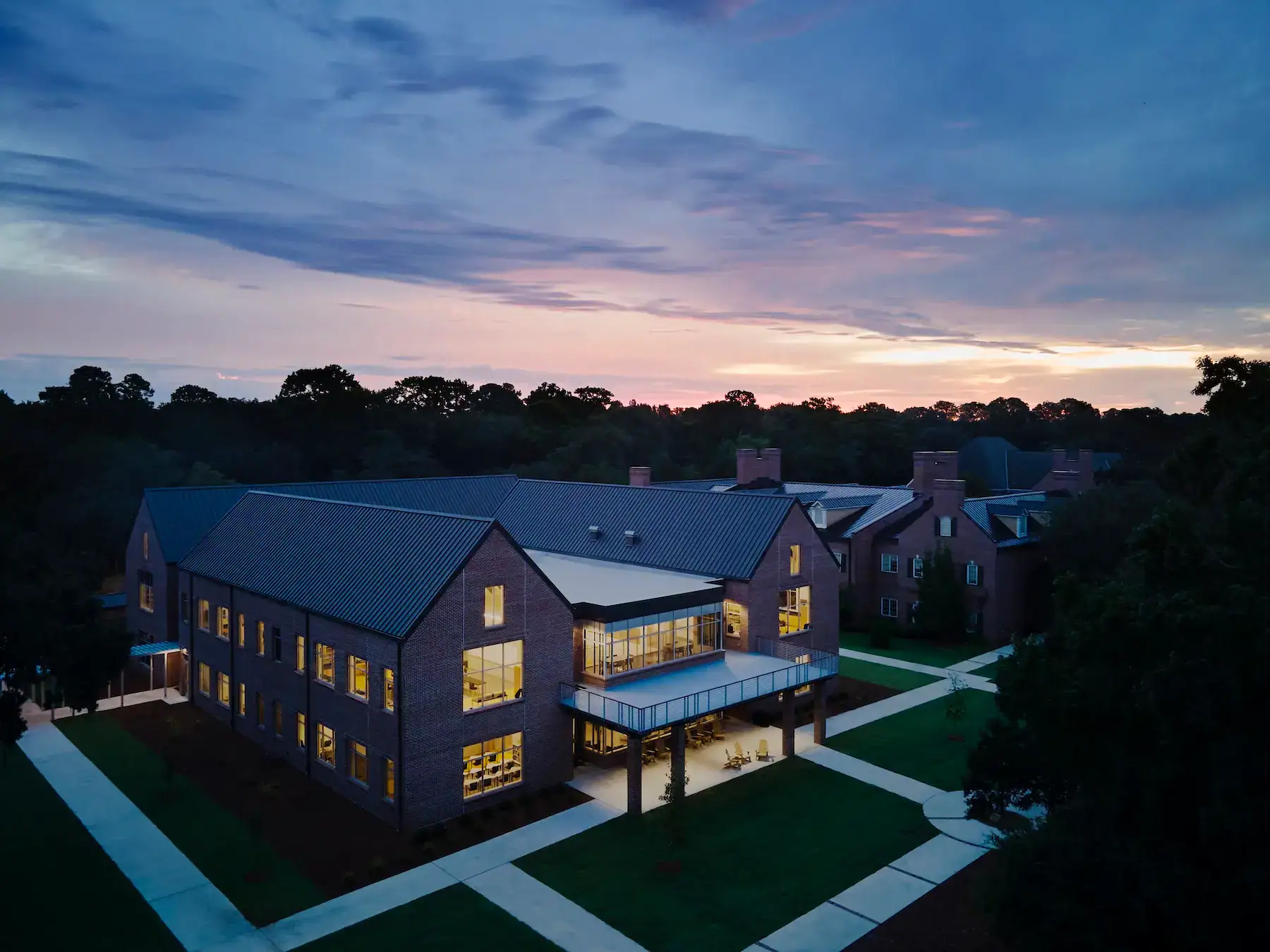
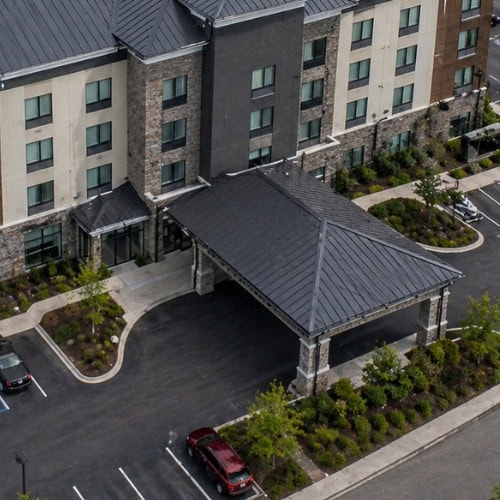
Commercial roofing systems installed for institutional buildings

Common Applications of Commercial Roofing Systems
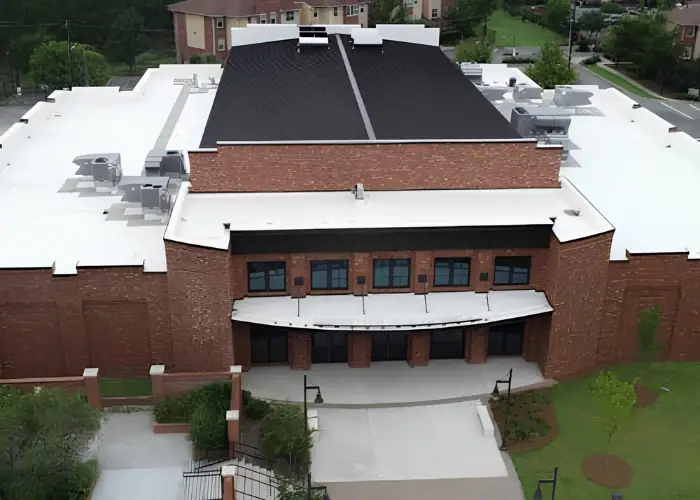
Standing seam metal roofing system installation project by Bonitz of Georgia
Schools
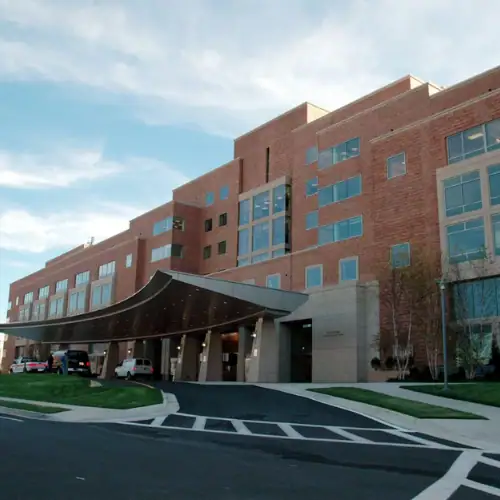
Metal roof deck for healthcare facility
Healthcare Facilities
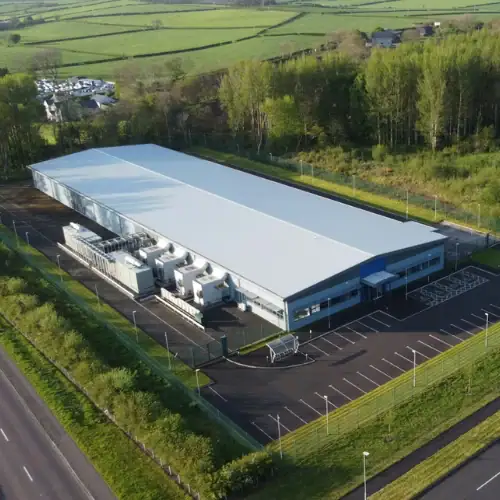
Metal roof deck for data center
Data Centers
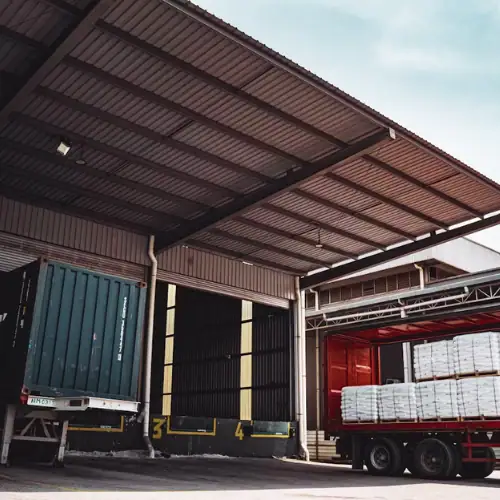
Metal roof deck for warehouse
Warehouses & Distribution Centers
Metal roof deck for hotel and hospitality building
Hotels & Hospitality Buildings
Metal roof deck for government building
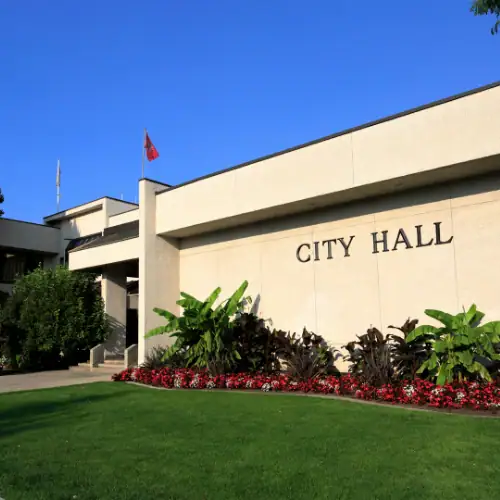
Government & Municipal Buildings

Featured Roofing System Projects

Our Process for Roofing Systems

1. Pre-Spec Coordination

Slope, R-value, and system options are reviewed with your architect or engineer before design begins.

2. System Design & Technical Review

The system, materials, and installation method are finalized, including manufacturer requirements, wind uplift ratings, and code-driven details.

3. Value Engineering & Budget Pricing

Project is priced and value engineered against budget, with system or material selection adjusted before submittals go out.

4. Submittals, Fabrication & Installation Planning

Submittals are approved, materials and any custom panel fabrication are ordered, and crews are scheduled around site access and occupancy.

5. Installation

The roof is installed per the design sequence, with manufacturer inspections at required intervals on extended or NDL warranty projects.

6. Documentation & Closeout

The roof is inspected, manufacturer sign-off is obtained where required, and warranty documents and project records are delivered.
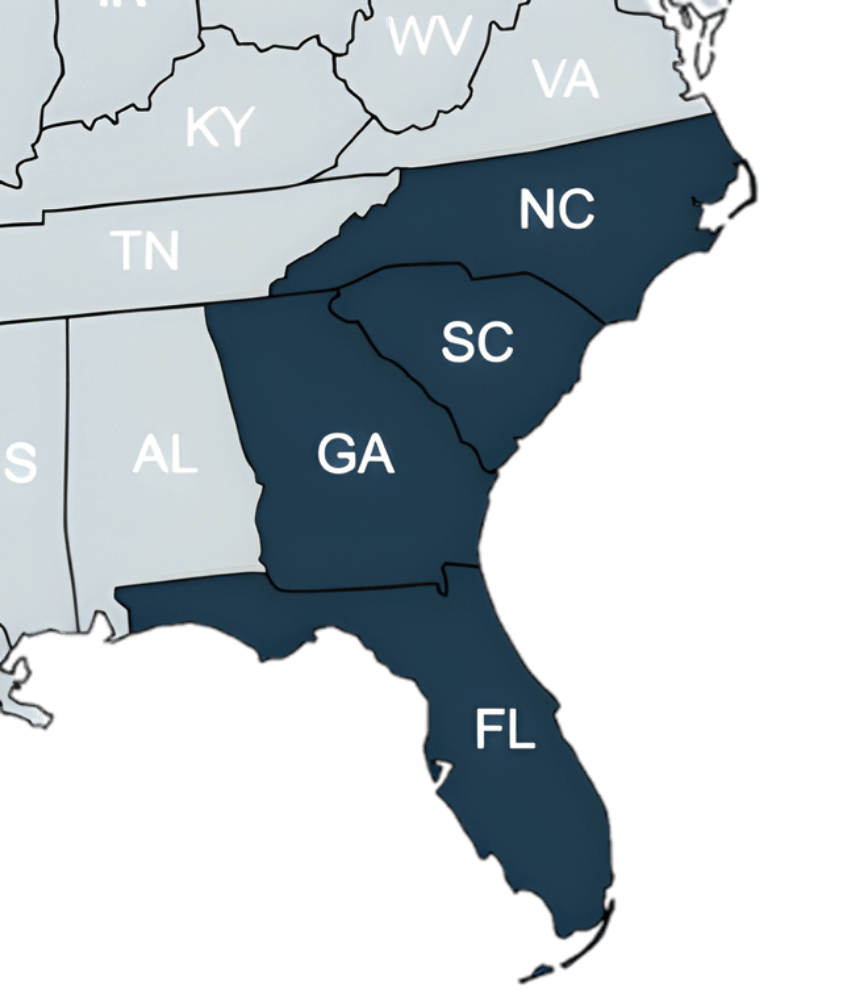
Southeast commercial construction company service areas on a map

Where We Work

Backed by generations of regional experience, our commercial roofing system installers serve construction projects throughout Southeast USA. We also support select projects outside the region based on scope and project needs.

  • Georgia

  • Florida
  • North Carolina
  • South Carolina

Bonitz of Georgia is proud to be a member of
Frequently Asked Questions

Our team is ready to discuss your project and help you find the right solution.

More Questions? Call Us Today

We start with your roof’s slope, the building’s use, and how long you plan to hold or occupy it, since those factors typically rule out one or two systems before cost is even discussed. Low-slope buildings usually point toward single-ply, steep-slope or high-visibility roofs point toward standing seam, and a roof with a sound existing substrate often makes more sense for a fluid-applied recoat than a full tear-off. We work through that assessment with you and your architect or engineer during pre-spec.

Not always. Fluid-applied systems and some single-ply assemblies can be installed over an existing roof if the substrate is sound and passes a moisture survey, which reduces tear-off cost and landfill fees. If the deck or insulation underneath has taken on water, a recover is not a safe option, and we will recommend a tear-off instead.

Yes. This is routine on retail, healthcare, and office buildings that cannot shut down for a reroof. We stage material deliveries and crane picks around occupied hours, section off the roof so only part of it is open at a time, and often use fluid-applied or phased single-ply work when a full tear-off would leave too much of the roof exposed at once.

Single-ply handles the majority of low-slope commercial roofs, typically anything at or under a 2:12 pitch. Standing seam is built for steeper slopes above that range, typically anything visible from ground level or on a design-forward building, since it functions as both a weather system and a visible finish. Fluid-applied works across nearly any slope or existing roof type because it is applied over what is already there rather than requiring a specific deck geometry.

A coating, such as our fluid-applied systems, restores and waterproofs an existing roof that still has usable life left in the deck and insulation. A full replacement removes the roof down to the deck, or in some cases the deck itself, and starts over, which is the right call once the substrate is compromised or the roof has already been recoated as many times as the manufacturer allows. We determine which one a roof actually needs after an inspection, not by default.

Warranty terms depend on the system and manufacturer. Single-ply systems we install commonly carry manufacturer warranties up to 30 years, and our workmanship warranty on the installation is separate from that manufacturer coverage. Standing seam and fluid-applied warranty terms vary more by manufacturer and project specifics, so we review the actual coverage during pre-spec.

Timelines depend on roof size, system, and weather. A single-ply reroof on a mid-size commercial building, roughly 25,000 to 50,000 square feet, typically takes 2 to 4 weeks from mobilization to final walk-through. Standing seam usually runs longer on a similar-sized roof, often 4 to 8 weeks, since panels are fabricated to spec and every ridge, hip, and penetration needs custom flashing. Fluid-applied work moves fastest: a roof that size can often be coated in under two weeks, since there is no tear-off phase to schedule around and coats can be applied the same day conditions allow.

Contact Us

Fill out your information and one of our experts will reach out to you to discuss your project.

"*" indicates required fields

This field is for validation purposes and should be left unchanged.