
What are Metal Roof Decks?
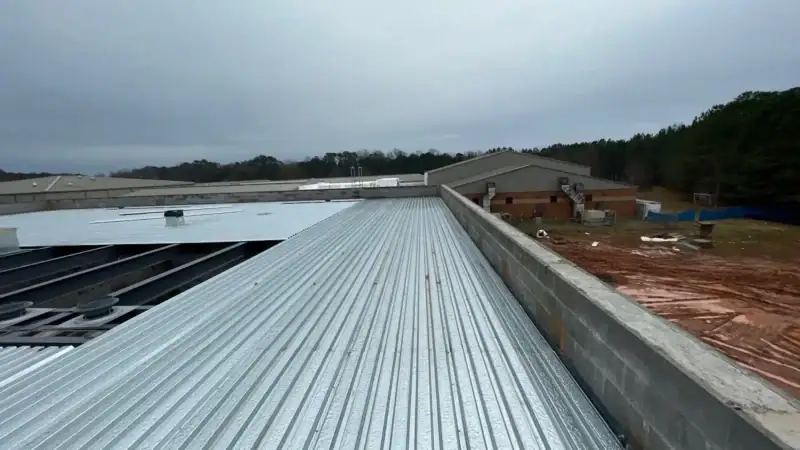
Metal roof decks are structural steel panels installed over joists or beams that support the full roofing assembly, including insulation, LWIC, and membrane systems. They carry roof loads, equipment weight, and foot traffic while transferring those forces into the building frame.
When to Use Metal Roof Decks
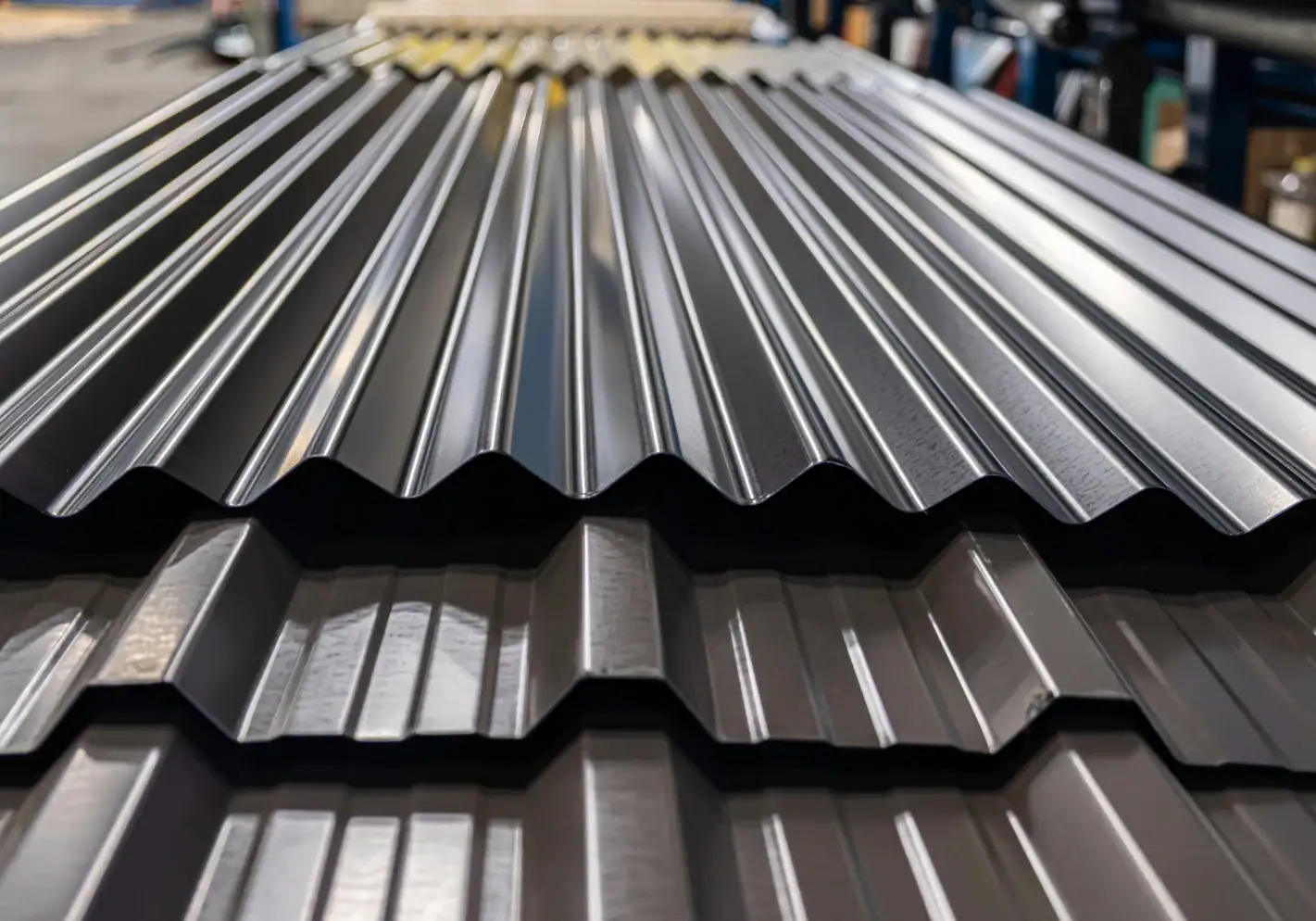
Metal roof deck is commonly used in commercial, institutional, and industrial construction where steel framing is utilized. It provides a durable structural platform for insulation, lightweight insulating concrete (LWIC), roofing systems, rooftop equipment, and maintenance traffic. Available in a variety of profiles and gauges, metal roof deck can be selected to meet the structural and performance requirements of virtually any project.
Benefits of Metal Roof Decks
Efficient Span Capabilities
Designed to span between structural supports while providing a stable substrate for the roofing assembly.
Lower Dead Load on the Structure
Provides structural capacity with minimal added weight.
Faster Dry-In Potential
Goes down quickly once steel is set, allowing follow-on trades to start sooner and keep the building moving toward dry-in.
Consistent Base for Roofing Systems
Creates a uniform surface for insulation, LWIC, and membrane systems so slope and drainage perform as intended.
Supports Rooftop Equipment and Traffic
Handles mechanical units, curbs, and service traffic without overstressing the roof structure.
Adaptable to Project Requirements
Openings, curbs, and penetrations can be incorporated to accommodate mechanical, electrical, and plumbing systems.
Common Applications of Metal Roof Decks

Schools
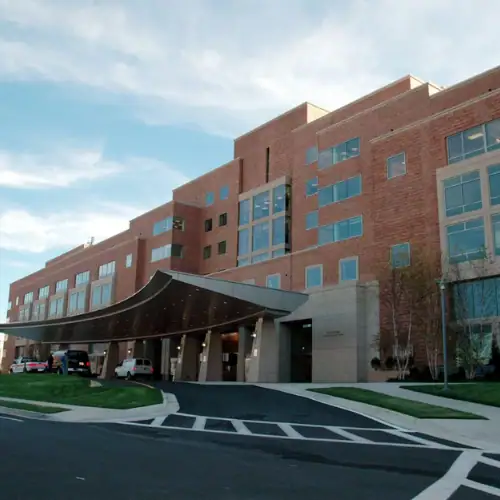
Healthcare Facilities
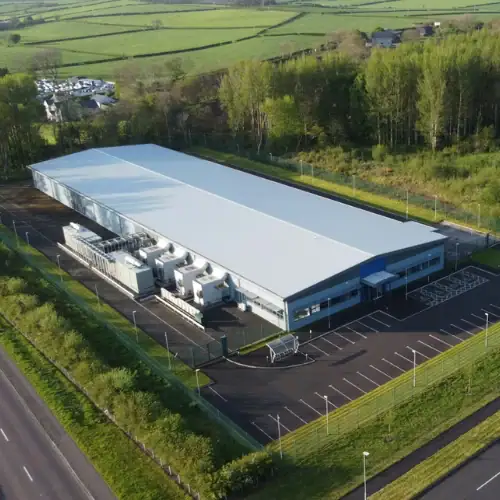
Data Centers
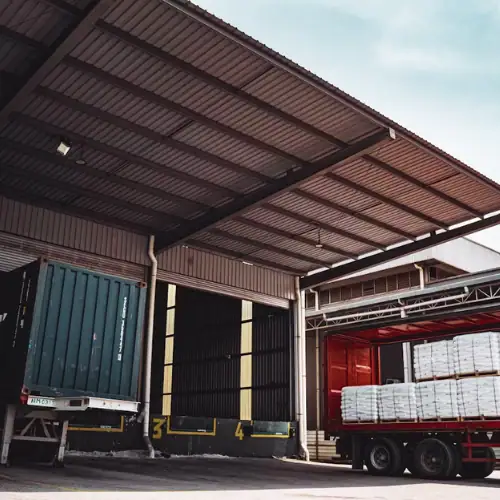
Warehouses & Distribution Centers
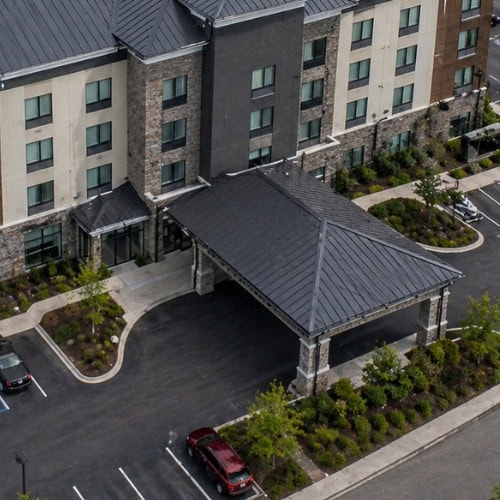
Hotels & Hospitality Buildings
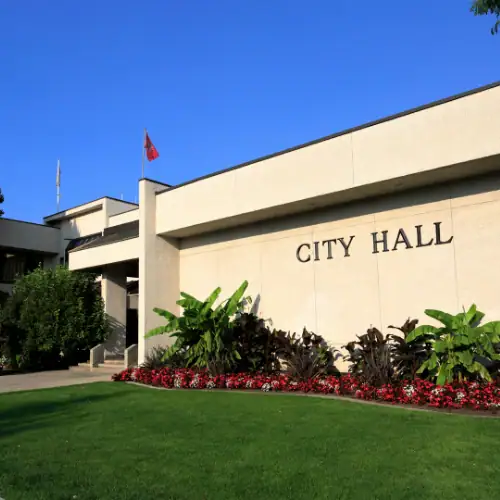
Government & Municipal Buildings
Types of Metal Roof Decks We Install
B-Deck (Wide Rib Roof Deck)
We install B-deck on most commercial projects where span efficiency and standard roof loading need to be balanced.
HF Deck
We install heavy form deck on projects where joist spacing and loading requirements make it an efficient substrate for lightweight insulating concrete roof deck systems.
Metal Acoustical Roof Deck
We install perforated acoustical deck systems in buildings where controlling interior sound levels is part of the design.


Why Partner with Bonitz of Georgia for Metal Roof Deck Services?
Pre-Spec Services for Metal Roof Decks
Our team of experts works with architects, engineers, and roofing consultants to specify their roof deck system before the project begins. We value engineer your project to meet your building’s needs while maximizing your budget. Our design assistance includes:
Our Metal Roof Deck Installation Process
1. Pre-construction Review
We review structural drawings, deck specifications, and roofing requirements to catch conflicts before steel and deck installation are locked in.
2. Layout & Coordination
We align deck layout with joists, penetrations, and drain locations so crews are not cutting and reinforcing after the fact.
3. Material Delivery & Staging
We stage decking based on install sequence to keep areas clear and avoid unnecessary handling on the roof.
4. Deck Installation & Attachment
We install and fasten deck per spec, verifying attachment patterns and alignment as each section is completed.
5. Field Verification & Handoff
We check elevations, attachment, and coordination before releasing the deck for roofing and follow-on trades.
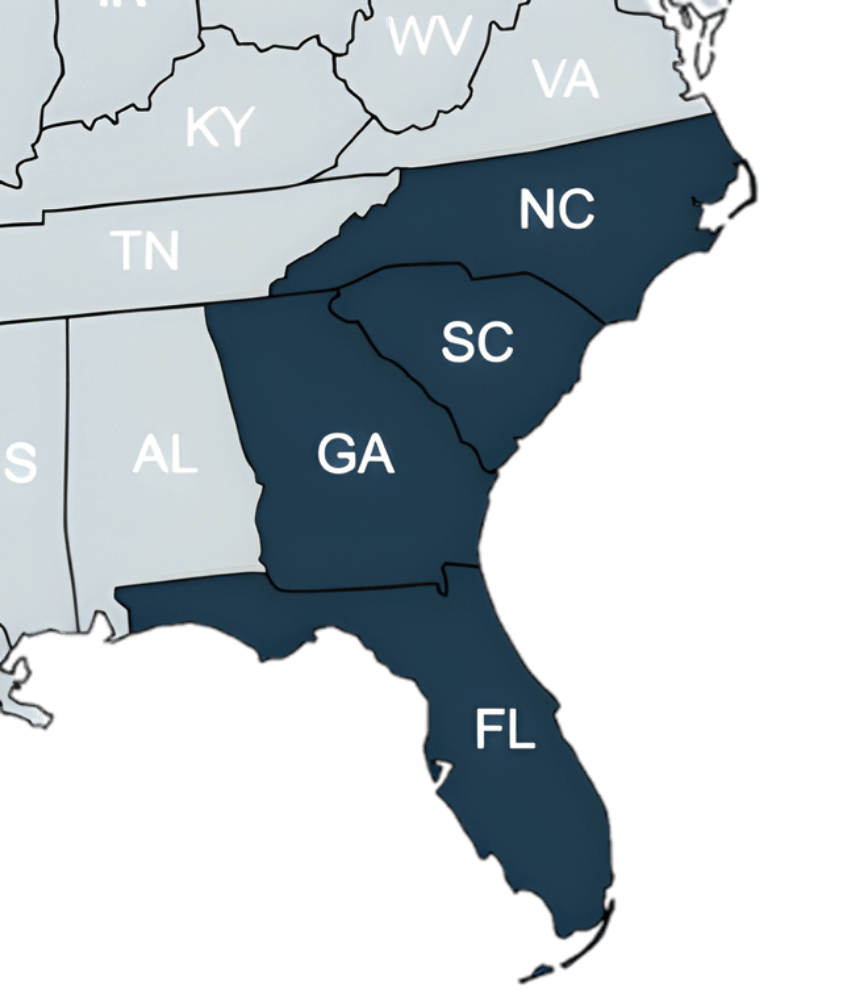
Where We Work
Backed by generations of regional experience, our metal roof deck installers serve construction projects throughout Southeast USA. We also support select projects outside the region based on scope and project needs.
Bonitz of Georgia is proud to be a member of

Contact Us
Fill out your information and one of our experts will reach out to you to discuss your project.
"*" indicates required fields