
Applications of Engineered Fill
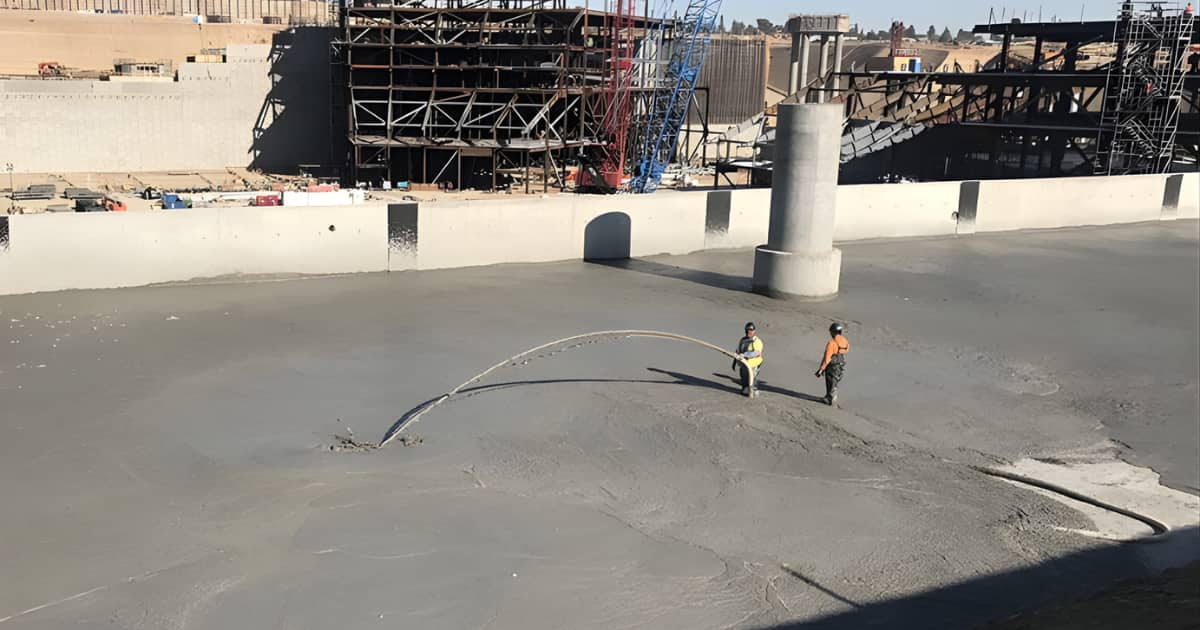
Table of Contents
Engineered fill, also known as low-density cellular concrete, cellular grout, or flowable fill, is a concrete material that is both lighter and stronger than traditionally compacted soil and other types of fill materials. Because it flows easily into all spaces, it eliminates potential voids and is often very cost-effective for its many applications.
But what are the ways that engineered fill can be used? The low density and high strength of the product make it ideal for a myriad of applications, but here are some of the most common projects we see at Bonitz of Georgia:
Landscape and Soil Stabilization
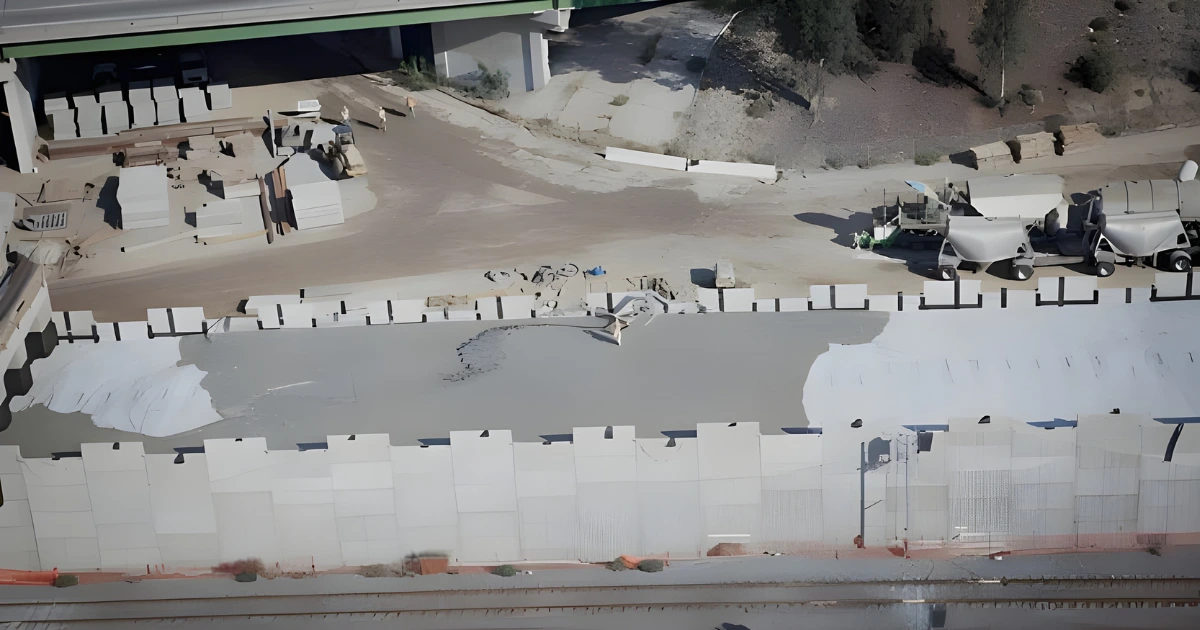
MSE retaining wall backfills: Engineered fill reduces the lateral load exerted against retaining walls and other structures, providing a stable base without additional strain.
Soil stabilization: Engineered fill more evenly reduces loads over poor soils, and the mix design can be modified to the behavior of the geomaterial at the site for better durability and performance.
Weight-reducing fills and culvert fills: Cellular concrete is an effective solution for culvert fills due to its load reduction, crack prevention, and settlement control capabilities.
Landscaping and plaza fills: Plaza fills benefit from cellular concrete’s lightweight and stable properties, which reduce soil load and allow for more creative landscaping design.
MSE Retaining Wall Backfills
Transportation-Related Fills
Bridge approach fills: Engineered fill is used to decrease local settlement on bridge approaches. Cellular concrete is an excellent choice for load compensation applications, especially in areas with weak soils or natural voids.
Roadway fills: Lightweight cellular concrete enhances roadway resilience by creating a load-balancing base that distributes loads evenly across the roadway.
Plaza decks and parking garages: Low-density cellular concrete can meet specific load parameters and restrictions, and is often used for structurally supported plaza decks.
Underground Encapsulation, Fills, and Insulation
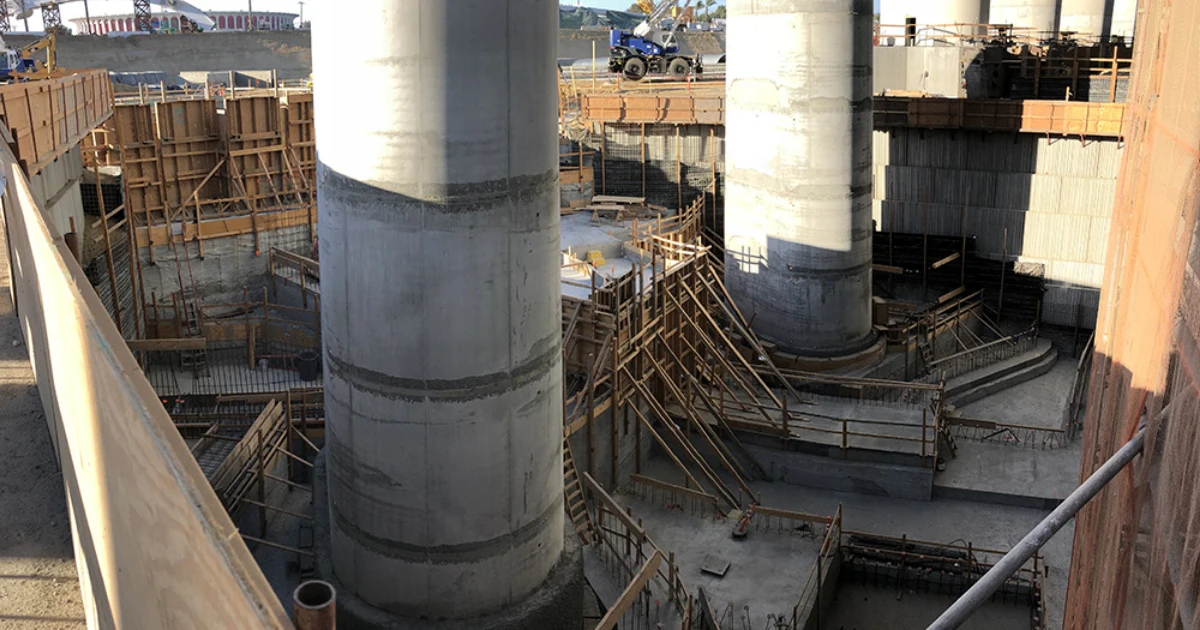
Pipe trenching: Engineered fill is ideal for pipe trench and shaft fills. Due to its low density, it can easily be excavated for future repairs.
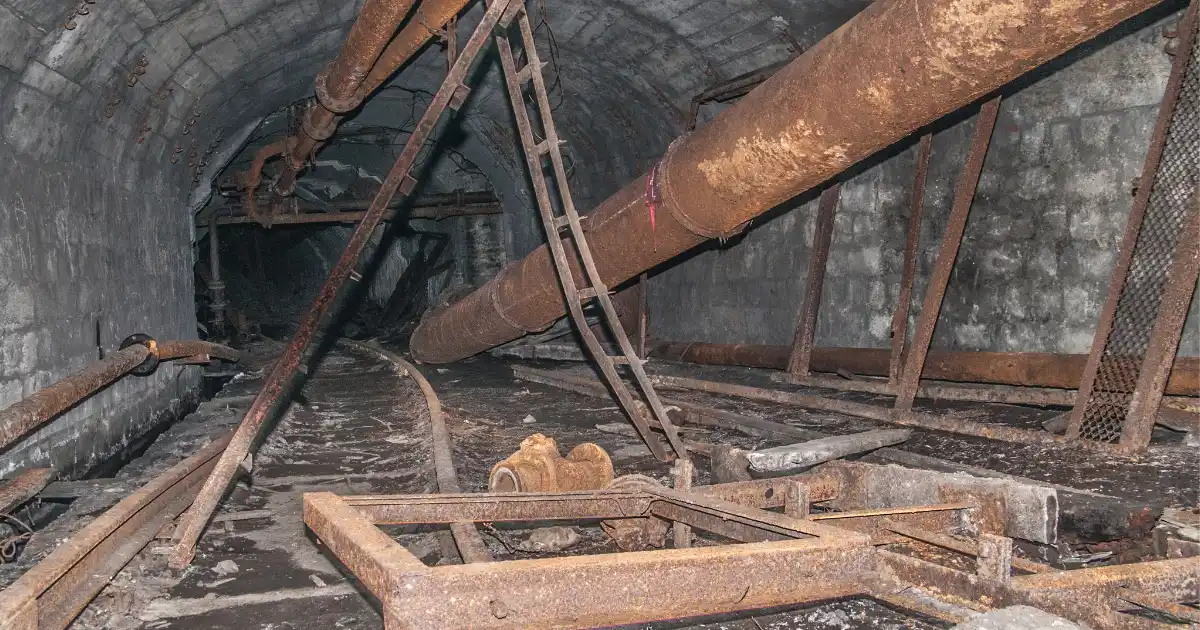
Void fills, tunnel fills, utility fills: Cellular concrete is highly flowable and can be pumped at great distances, making it the ideal choice for underground void fills.
Mine fills: Flowable, durable cellular concrete can be used to fill the underground voids in former mines quickly and efficiently.
Underground fuel tank fills: Engineered fill is a common choice to fill abandoned fuel tanks, such as gasoline, oil, and diesel tanks, which are typically found under gas stations or in rural areas.
Thermal encapsulation and thermal remediation: Engineered fill can insulate materials in a protective barrier to prevent thermal leakage and improve system performance.
Tunnel Fills
Whether your project calls for soil stabilization, roadway support, or any other engineered fill application, the team at Bonitz of Georgia has 70 years of experience and expertise to get you taken care of. We work with our clients from pre-spec coordination all the way to installation and final inspections to ensure that your engineered fill project goes smoothly, so contact us today to get started with your project.
Contact Us
Contact us today for a free consultation.
"*" indicates required fields